For most trips under two weeks, a Pay-As-You-Go eSIM beats a prepaid tourist SIM on cost — not because it is digital, but because you skip the bundle. Tourist SIM packages typically start at 5–10 GB, while the average traveler uses just 2–4 GB over 5–7 days; on a 10 GB bundle, that means roughly 6.8 GB paid for and never used.
The real question isn't physical vs digital. It's fixed bundle vs pay-per-use — on a typical week that's the difference between paying for 10 GB and paying for the 3.2 GB you actually used.
How do prepaid tourist SIMs actually work?
A prepaid tourist SIM is built on a simple premise: estimate your data needs, buy a bundle, consume it before expiry. Airport kiosks and phone shops make it look effortless — grab a package, insert the card, go.
But underneath that convenience is a forced prediction:
- You must estimate how many GB you'll need before your trip starts
- You pay for the entire bundle upfront, regardless of actual usage
- The data expires on a fixed date — typically 7, 14, or 30 days
- If you underestimate, you need to buy again. If you overestimate, you waste money.
What's the hidden cost of physical SIM friction?
Beyond the pricing problem, prepaid physical SIMs add logistical friction that's easy to underestimate until you're actually at the airport:
- You need to find a vendor — often in a crowded arrivals hall after a long flight
- Most destinations require passport registration to activate a local SIM
- You must physically remove your home SIM — risking losing it, or losing calls/SMS
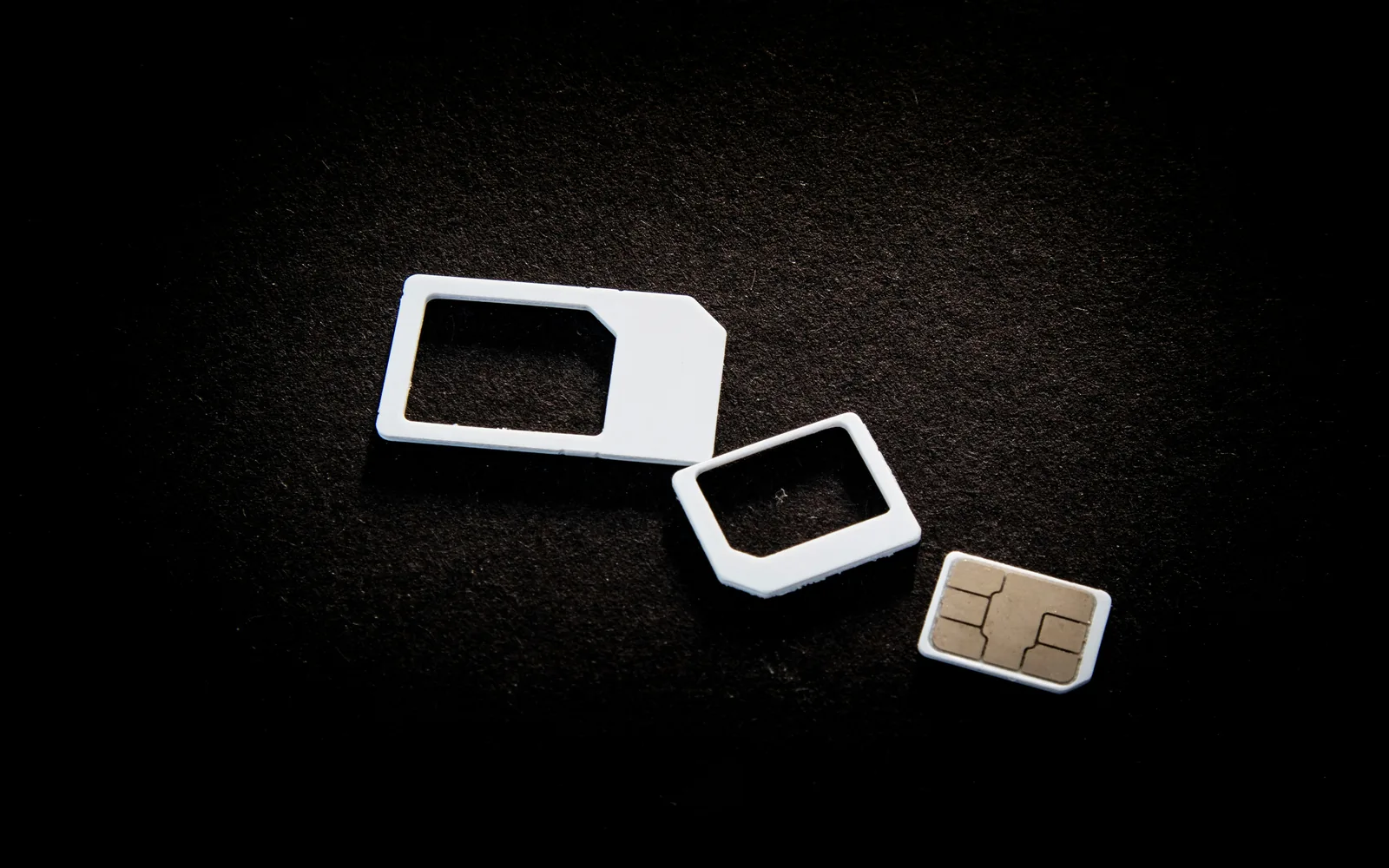
- If you need a different size SIM, you need an adapter
- Top-ups often require navigating a local app or kiosk in a foreign language
With eSIM, all of this disappears. You install before departure, activate upon landing, and your home SIM stays in place.
What Pay-As-You-Go eSIM Changes
Pay-As-You-Go removes the estimation requirement entirely. Instead of predicting usage, you simply use data — and pay for what you actually consumed at the end of the billing period.
- No fixed bundle to commit to before the trip
- No expiry date to race against
- No unused gigabytes left on the table
- No passport registration or physical SIM swap
- Full transparency: you can see exactly what you're consuming
How do eSIM and prepaid SIMs compare head-to-head?
| Feature | Prepaid Tourist SIM | Pay-As-You-Go eSIM |
|---|---|---|
| Physical SIM required | Yes | No |
| Must estimate usage upfront | Yes | No |
| Risk of unused data | High (avg. 4–6GB waste) | None |
| Data expiry deadline | Yes (7–30 days) | No |
| Passport required to activate | Often yes | No |
| Works before you land | No | Yes |
| Keeps home number active | No (SIM replaced) | Yes |
| Multi-country with one plan | Usually no | Yes |
| Cost for 3-day trip | Full bundle cost | 3 days of actual usage |
| Cost transparency | Medium | High |
When do prepaid SIM cards still make sense?
In the spirit of fairness — prepaid physical SIMs aren't obsolete. They make rational sense when:
- You're staying in one country for a month or more with consistently high daily usage
- Local data rates are dramatically cheaper than any eSIM option (common in Southeast Asia)
- Your device doesn't support eSIM (older phones, some budget Android devices)
- You're sharing connectivity via hotspot for multiple devices constantly
But for most modern travel patterns — especially trips under 2 weeks, multi-country routes, or anyone who relies on Wi-Fi when available — prepaid physical SIMs create systematic waste.
What's the math on a typical 7-day holiday?
| Item | Prepaid SIM (10GB) | Pay-As-You-Go eSIM |
|---|---|---|
| Bundle purchased | 10 GB at upfront cost | No bundle — none required |
| Actual data used | 3.2 GB (realistic estimate) | 3.2 GB (same usage) |
| Data wasted | 6.8 GB | 0 GB |
| Passport needed? | Yes, at airport counter | No |
| Waiting time to connect | 15–30 min at airport | Instant (pre-installed) |
| Home number available? | No | Yes |
| Cost efficiency | Pays for 10GB, uses 3.2GB | Pays for 3.2GB, uses 3.2GB |
FAQ
Is an eSIM cheaper than a prepaid tourist SIM?
For trips under 2 weeks with mixed Wi-Fi usage, Pay-As-You-Go eSIM is typically cheaper because you only pay for what you actually use rather than a fixed bundle that may go partially unused.
What if my device is old and doesn't support eSIM?
eSIM requires a compatible device. Most smartphones released since 2020 support it. If your phone is older, check the manufacturer's specs — iPhone XS, Samsung Galaxy S20, and Google Pixel 3 onwards all support eSIM.
Can I use Pay-As-You-Go eSIM across multiple countries?
Yes. Roamzy's coverage spans 193 countries on the same Pay-As-You-Go model. No new SIM or new bundle required when crossing borders.
Sources & further reading
Specific factual claims in this article are anchored to the following authoritative sources. We do not republish their content; the cited URLs are the canonical record.