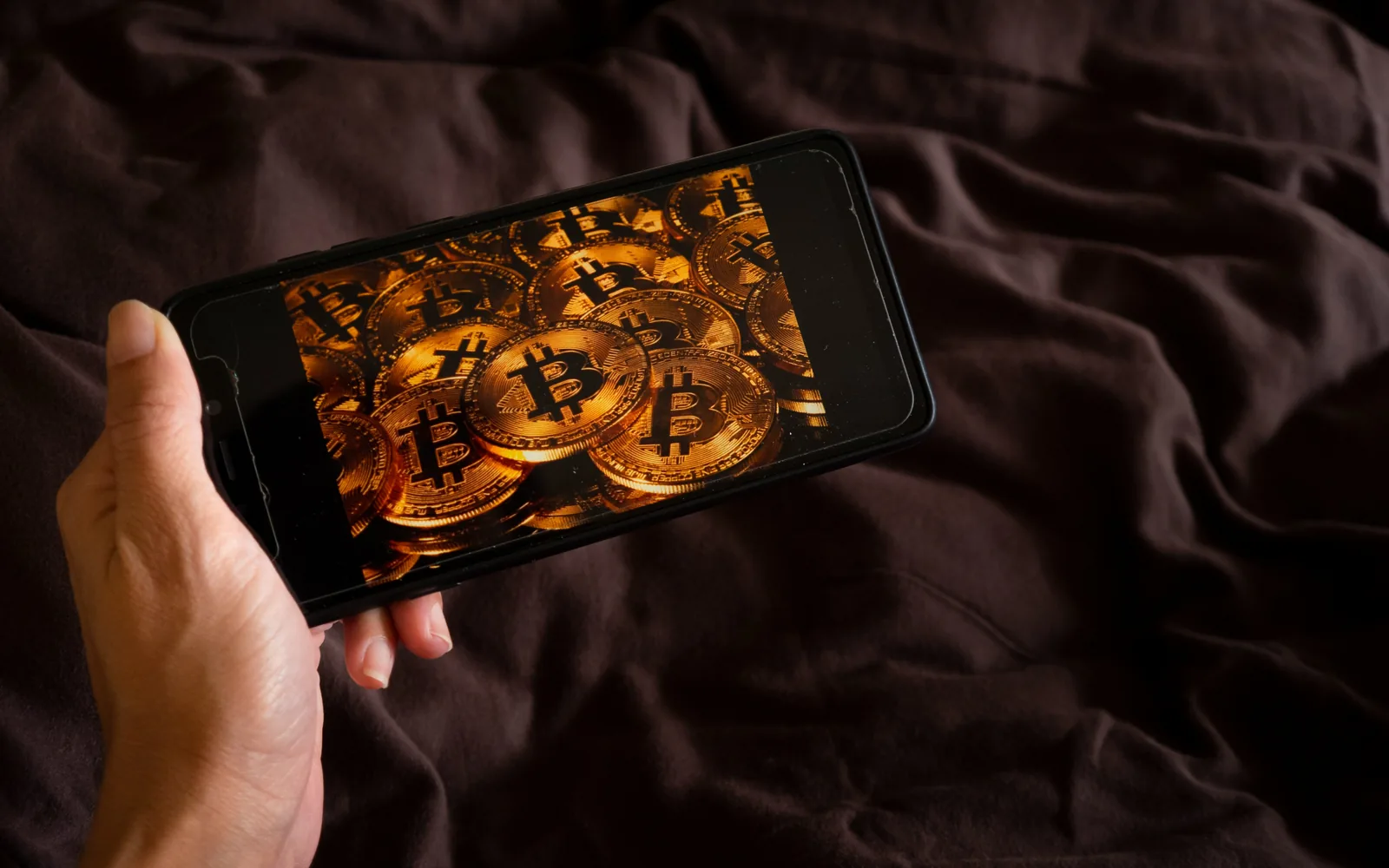
Yes, you can pay for a travel eSIM directly in USDT: pick a top-up amount, send stablecoin from any major wallet or exchange, and your balance is credited once the chain confirms — typically under 90 seconds from click to usable data, versus the 5–15 minutes a card transaction held for fraud review can take. No foreign-transaction fee, no bank decline, no card in the path at all.
Most travel eSIM checkouts look the same: pick a country, pick a pack, drop in a credit card, accept the foreign-transaction fee, watch the bank's fraud filter occasionally block the charge anyway because "foreign mobile-network top-up" trips a heuristic. It's annoying. It's also avoidable.
Crypto settlement pairs naturally with metered pay-per-MB billing — fund a balance once in USDT and draw it down by usage instead of re-buying packages.
USDT-funded eSIMs replace the card-network leg with a direct on-chain transfer. The eSIM is identical. The QR is identical. What changes is the money path. Here's how it works and why it matters for travelers.
The mechanics — what happens during a USDT top-up
- You pick a top-up amount in USDT.
- The provider's invoicing system generates a one-time deposit address tied to your specific top-up.
- You send USDT from your wallet — Trust, MetaMask, an exchange withdrawal, whichever holds your stablecoin balance.
- The blockchain confirms (typically 30 seconds to a few minutes).
- The provider's webhook receives the confirmation, credits your eSIM balance, and the eSIM is ready to use immediately.
Why this matters in practice — three scenarios
Scenario 1: card blocked at the airport
You land in Thailand, your home eSIM has stopped working (it always does), you fire up a top-up form on hotel WiFi, drop in your Mastercard, and the bank's anti-fraud system sees "foreign mobile-network charge" and declines it. You call the bank from a borrowed phone. Forty-five minutes of "verify these recent transactions" later, you finally get the top-up through.
With a USDT top-up, the wallet on your phone is a wallet on your phone. There's no foreign-billed merchant in the path. The transaction either confirms or it doesn't, and the only reason it wouldn't is insufficient balance or wrong address.
Scenario 2: cross-border worker / nomad
If you are paid in USDT (developers, designers, freelancers on platforms that settle in stablecoin), the friction of off-ramping to fiat just to top up an eSIM is real. You convert USDT → bank, eat the off-ramp fee, then the bank charges its FX margin to top up the eSIM in USD. Roundtrip cost: 1–3% gone before you even buy data.
A USDT-native eSIM lets you stay on-chain end-to-end. The USDT in your wallet → the USDT balance on your eSIM. No conversion in either direction.
Scenario 3: privacy-conscious travelers
Credit-card transactions create a record at four entities: you, the bank, the card network, and the merchant. A USDT top-up, by default, creates a record at two: the on-chain ledger (pseudonymous) and the eSIM provider. For people who value not having "mobile data top-up in Bangkok" sitting in their bank's transaction database, this is meaningful.
To be clear: this isn't anonymity. Chain analysis exists. But the record-trail surface is genuinely smaller, and that's a feature for some users.
Why USDT specifically
USDT is the most ubiquitous stablecoin on the market — pegged 1:1 to the US dollar, available on every major exchange, supported by every major wallet. For a travel eSIM, that ubiquity matters in three concrete ways:
- You probably already have it. If you hold any stablecoin at all, statistically it's USDT. No bridging, no swapping, no buying-just-for-the-eSIM friction.
- Withdrawal is universal. Every major centralized exchange supports USDT withdrawals to external wallets. Roamzy's top-up flow accepts the standard formats — paste the address into your exchange's withdrawal field, send, done.
- Predictability. Pegged to USD, so what you send is exactly what lands on the eSIM. No volatility window between "I sent payment" and "the system credited my balance".
Roamzy quotes per-megabyte rates in USD on the price page. Settlement is in USDT. Because $1 USDT ≈ $1 USD, the math is the same.
What you can't do — boundaries
USDT top-ups have one trade-off worth being honest about: refunds are manual. If you accidentally top up the wrong amount, or you change your mind 10 seconds after sending, the recovery path is "email support, prove you sent it, wait for them to send it back". This is no different from sending USDT to anyone else by mistake — but it's worth knowing in advance.
Card chargebacks are also not a thing. If a credit-card-paid eSIM does not work, you can dispute the charge with your bank and get the money back. With USDT, the only path is the provider's refund process.
For Roamzy specifically: refunds are issued to the same wallet you paid from, denominated in USDT, less the network fee. The policy is on the FAQ.
Wallet picks for travelers
Three approaches that work well for travel-eSIM top-ups:
- Trust Wallet — multi-chain, easy mobile UX, supports USDT across the major networks. Good for non-power-users.
- MetaMask — overkill for this use case but if you already use it for DeFi, you have it.
- Exchange withdrawal directly — if you keep your USDT on Binance, OKX, or Bybit, you can withdraw straight to the eSIM top-up address. Cheapest fees if your exchange waives the withdrawal fee at your tier.
Bringing it back
USDT-funded eSIMs aren't a different product — they're the same eSIM with a different payment rail. The eSIM still does what an eSIM does: connect your phone to a foreign network, charge per megabyte, work everywhere. What changes is what happens between "I want data" and "I have data". For most travelers, that change is faster, cheaper, and one fewer point of failure.
If you want to see what the per-country rates look like in USDT, the live country-by-country price page has the numbers. If you're new to eSIMs in general, the international eSIM guide covers the basics before getting into the payment-rail nuance.
Sources & further reading
Specific factual claims in this article are anchored to the following authoritative sources. We do not republish their content; the cited URLs are the canonical record.